
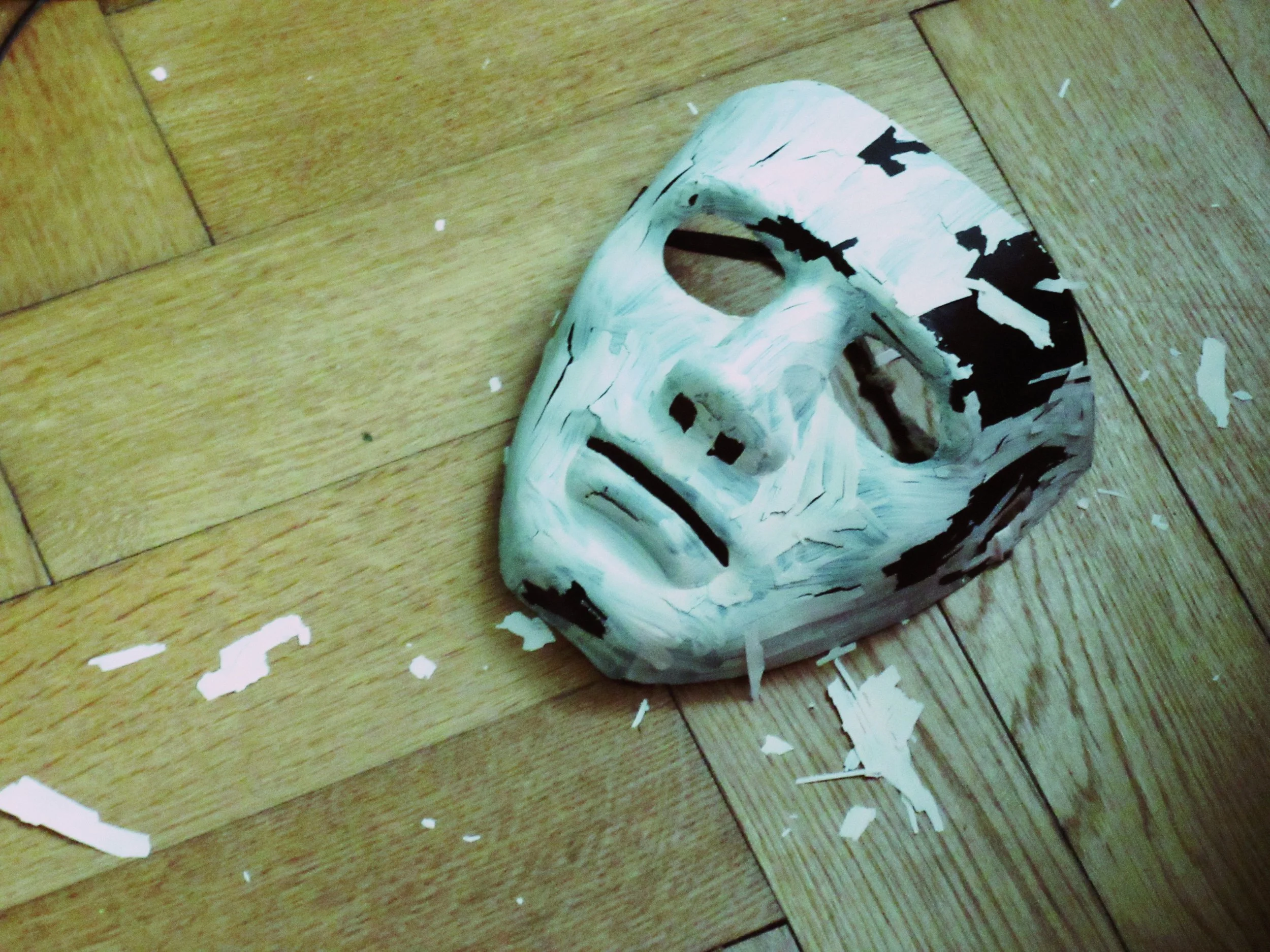
Most people who mask their neurodivergence don’t have a name for what they’re doing. They just know they’ve learned to move through the world in ways that don’t draw attention, invite questions, or mark them as different. The masking happens automatically from social feedback about what’s acceptable and what isn’t. This can look like functioning, but what it quietly does to a person’s mental health is a different story.
What is Masking?
Masking, or camouflaging, refers to the conscious or unconscious suppression of neurodivergent traits. This is done in order to appear neurotypical in social situations. For autistic people, it might look like forcing eye contact, scripting conversations in advance, mimicking others’ body language, or suppressing stimming behaviors that would otherwise feel regulating.
For people with ADHD, it might look like performing attentiveness while internally struggling to track a conversation, or putting in exhausting levels of effort to produce outputs that seem effortless for others. Across different forms of neurodivergence, masking involves presenting a version of yourself that the environment has made clear is more acceptable than your authentic self.
Why People Mask
Nobody masks because they want to. They mask because the alternative has been made uncomfortable, unsafe, or socially costly. For many neurodivergent people, masking started in childhood as a response to being corrected, excluded, mocked, or misunderstood enough times that the nervous system learned to hide the parts of itself that caused those responses.
That early learning is deeply embedded by the time most people arrive at any kind of understanding of themselves as neurodivergent. The mask doesn’t feel like a mask anymore. It feels like the only way to navigate the world.
The Toll On Mental Health
Higher rates of anxiety, depression, burnout, and suicidality are all associated with sustained masking. Masking demands constant cognitive and emotional labor. Monitoring your behavior in real time, suppressing your natural responses, performing a version of yourself that isn’t quite you.
That sustained performance is exhausting in a way that doesn’t respond to a good night’s sleep because it’s the depletion that comes from never being fully allowed to be yourself in the spaces where you spend most of your time.
The Depression Connection
The link between masking and depression is direct. Depression often develops in sustained inauthenticity, the experience of being chronically disconnected from yourself and from genuine connection with others.
When the version of you that the world sees isn’t the real version of you, the social contact you get, even positive social contact, doesn’t quite land. You’re liked, but not for who you actually are. That gap between the performance and the person underneath it produces a specific kind of loneliness that’s hard to articulate and easy to misdiagnose.
Many neurodivergent people spend years in treatment for anxiety and depression without anyone connecting those symptoms to the sustained effort of being someone they’re not.
Autistic Burnout
For autistic people specifically, prolonged masking can lead to autistic burnout. Autistic burnout involves a profound loss of skills and capacity, an increased sensitivity to sensory and social demands, and an exhaustion that can take months or years to recover from.
It follows extended periods of high masking in environments that require significant suppression of autistic traits. Instead of burnout, it can look like regression, withdrawal, or a personality change that people find confusing.
Unmasking
Unmasking isn’t a simple process of just deciding to be yourself. For people who’ve been masking since childhood, the actual self has often been suppressed long enough. This means there’s real work involved in figuring out who that is. Unmasking tends to happen gradually, in contexts that feel safe enough to try. It often involves grief over the years spent in a costly performance, for the self-understanding that came late, and sometimes for the relationships and environments that can’t accommodate authenticity.
If you’re neurodivergent and carrying the weight of masking, it’s time to seek support. Our team of therapists understands neurodivergence and can help you figure out how to live more fully as yourself.
