

Trichotillomania Treatment
Do You Struggle With An Overwhelming Compulsion To Pull Out Your Hair And Wish You Could Stop?
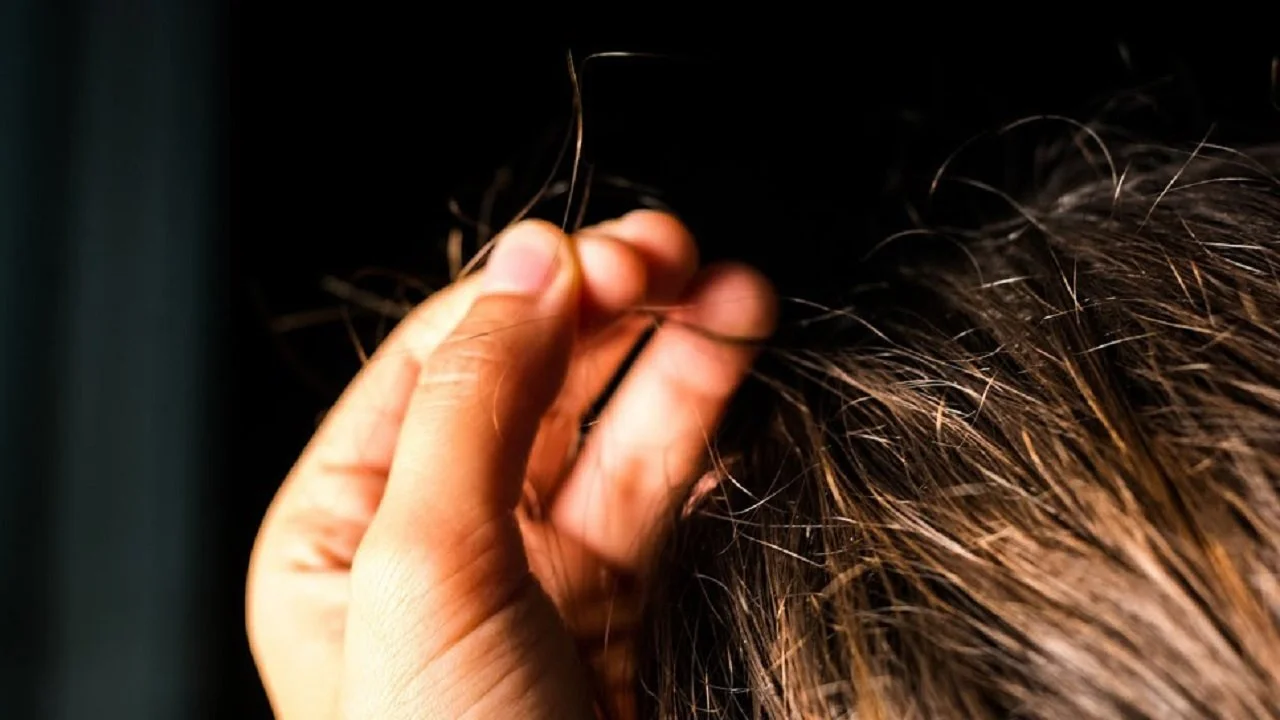
Is your compulsive desire to pull out your hair—known as trichotillomania—an unwelcome habit that you no longer want to live with? Are you embarrassed by your bald patches and worry that others will judge you if they ever found out? Even though you’ve vowed to stop over and over, resisting the urge seems inescapable.
It may be difficult to remember when you first started hair pulling—maybe since you were young. And if someone were to ask you why you do it, you might have a hard time explaining it. It could be at times when you’re anxious, bored, or when you’re alone and your brain goes on autopilot. Maybe you’re frustrated because as much as you want to stop, you can’t.
The Embarrassment Might Keep You Stuck
Perhaps you feel like you have to hide it from others for fear that they’ll think something’s wrong with you if they find out. You may try to conceal your hair loss and dread the times when your bald patches might be revealed to others, such as getting a haircut, swimming, or playing sports. If someone were to ask you what happened, you just wouldn’t know what to say.
Rather than face potentially being exposed, you may choose to self-isolate instead, which could be putting a strain on your relationships and social life. If you’ve ever had someone you’ve confided in ask you “Why don’t you just stop?”, it’s clear that no one else understands how strong the urges are.
Fortunately, with treatment, the urges that cause trichotillomania can be diminished. If you’re over hair pulling and ready to stop, habit reversal training therapy can be effective in controlling the urges of trichotillomania.
Trichotillomania Is More Common Than You May Think
Body-focused repetitive behaviors (BFRBs)—such as trichotillomania (hair pulling), dermatillomania (skin picking), and onychophagia (nail biting)—are some of the most underdiagnosed and poorly understood anxiety disorders.[1] Despite often going untreated, according to Anxiety.org, “Research suggests at least one out of 20 people has a BFRB, with trichotillomania alone believed to affect about 10 million people in the United States.” [2] It’s also believed that suffering from trichotillomania places us at higher risk for anxiety.[3]
It’s a misconception that BFRBs are a form of self-harm.[4] In fact, what makes BFRBs more difficult to treat is that picking or pulling relieves an urge that we physically feel. When we pick or pull, we experience self-soothing that results in a satisfying sensation, similar to scratching an itch.
We Often Feel Shame And Embarrassment When We Indulge In Hair pulling
What contributes to a lack of awareness surrounding trichotillomania specifically is that it often occurs in hiding. Those of us who live with it commonly do so in secret and may be ashamed to talk about it with others. But unlike other fidgeting-type habits, when trich becomes severe and a missing patch of hair we’ve managed to conceal blossoms into significant hair loss, we can no longer hide its aftermath.
If we’ve tried traditional therapy to stop hair pulling or skin picking with no success, we may feel hopeless that we’ll ever be able to suppress the urge when it overcomes us. If only our desire to stop was enough to make it so. We may wish that we could find something else to do that feels just as satisfying without the consequences of hair loss, scabs, or torn-up fingernails.
Although it may seem like you’re alone in this experience, you’re not. Fortunately, treatments for BFRBs such as trichotillomania and skin picking are available that can help lessen the urge to pick or pull. If you’re ready to get your habit under control, we’re ready to help you.

Effective Treatment For Trichotillomania Can Help Curb The Impulse To Pull

Therapy for trichotillomania allows you to be honest about your habit in ways you probably haven't been able to be before. As a therapist who has specialized training for treating trichotillomania, I strive to create a nonjudgmental environment where you will feel comfortable being honest and open about your hair pulling without shame or embarrassment. However, the crucial key to successful trichotillomania treatment is your own motivation to change.
Human beings are complicated—nothing they do happens in a vacuum. When you start therapy for trichotillomania, we won’t focus on the problem until we have fleshed out a complete picture of who you are and what the hair pulling or other BFRB may be a response to. After all, life circumstances and your emotional landscape can impact how much—or how little—you pull or pick. If things are going on in your life that contribute to your habit, I want to understand what these triggers are.
What Sessions Will Be Like
Trichotillomania treatment will be tailored to meet your specific needs and comprised of strategies and tools you will learn to manage the urges. You will walk away from treatment with an understanding of why your brain wants you to pull your hair. By destigmatizing your condition and helping you realize that you’re not alone in this, I will help you foster self-compassion and self-acceptance.
In ongoing sessions, we will seek to learn more about your urges, triggers, behaviors, and all the ways you’re impacted throughout the day. By understanding the contributing factors—such as boredom, self-soothing, stress, a lack of motivation to stop, or fear of what not being able to pull or pick will unleash—we can devise a treatment plan that will be successful for you.
The Most Effective Treatment For Trichotillomania
I have found that utilizing Habit Reversal Training (HRT), Cognitive Behavioral Therapy (CBT), and some elements of Dialectical Behavioral Therapy (DBT) can be beneficial for reducing the frequency of trichotillomania and other BRFBs. These treatments help recognize when the urge is present and identify replacement behaviors other than hair pulling or skin picking to compete with it. When you’re no longer “scratching the itch,” many people find the urge will gradually diminish over time.
What’s unique to my treatment plan is that it includes an element of accountability. Through daily check-ins with me and my ongoing support at times when your urges feel hard to manage, I’ll be there to keep you on track and help you make meaningful changes.
Once you’ve decided you’re done and you’re truly ready to stop, we can get there together. While it’s important to accept that no substitute will ever feel as good as pulling or picking, you can overcome it, nevertheless. Trichotillomania and BFRB therapy isn’t a magic pill but it is an effective treatment to manage your urges and behavior.
But You May Still Have Questions About Trichotillomania Treatment …
I have tried therapy before to try to stop my hair pulling but it didn’t help me.
If the therapist you worked with didn’t have experience treating trichotillomania, it was probably unhelpful. For trichotillomania therapy to be successful, it takes a specialized approach, such as habit reversal training (HRT) and Cognitive Behavioral Therapy (CBT). If you haven't tried therapy with someone who knows and understands trichotillomania, I would urge you to consider seeking treatment again.
And maybe now you're more receptive or motivated to receive help than you were last time. Perhaps when you tried trichotillomania therapy before, your parents were pushing for the treatment more than you were and you weren’t as open to the work as you might be now.
Trichotillomania treatment will cost too much and take too long.
The good news is that therapy for trichotillomania or any other body-focused repetitive behavior disorders (BFRBs) is time limited and won't go on forever, making it more affordable and less time-consuming. And you can rest assured that trichotillomania treatment will be multifaceted and never a one-size-fits-all approach.
What if therapy doesn’t work and I can’t stop pulling my hair?
Only you can determine if you're ready to put your habit behind you. Together, we can work on motivation and look at how making this change can positively impact your life and lead to beneficial outcomes. What’s more, the skills and tools you will learn during trichotillomania treatment can be applied to other parts of your life.

Treatment Can Help You Finally Control Trichotillomania
The urges to pick or pull no longer have to impact your life. To schedule a free consultation to learn more about trichotillomania treatment, please contact us.
https://www.anxiety.org/what-is-body-focused-repetitive-behavior-bfrb
https://www.anxiety.org/what-is-body-focused-repetitive-behavior-bfrb
https://www.trichstop.com/info/causes/anxiety
https://www.psychologytoday.com/us/basics/body-focused-repetitive-behaviors
Recent Posts
