
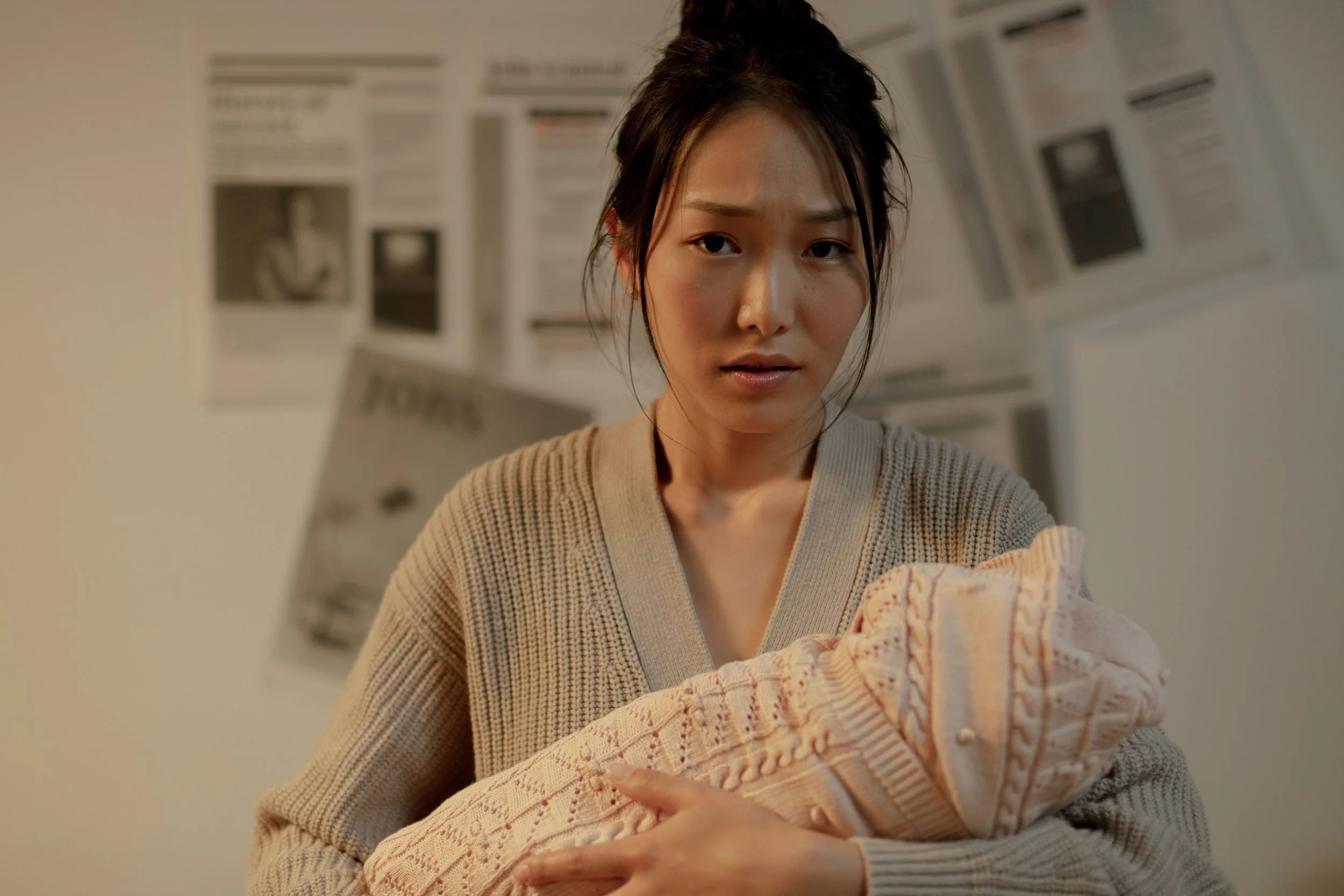
Postpartum OCD is a form of OCD that begins or worsens in the first year after a baby arrives. It usually centers on unwanted thoughts, images, or urges about the baby’s safety. It is common, easy to misread, and can improve with treatment.
What Postpartum OCD Looks Like
Obsessions are the thoughts, pictures, or urges that barge in uninvited and cause real distress. After childbirth, they tend to gather around the baby: an image of dropping the baby on the stairs, a sudden thought of harming the baby with a kitchen knife, a fear of smothering during sleep, or an overwhelming worry about germs, illness, or toxins. Some parents also fear that they’re losing touch with reality.
Compulsions are actions a parent takes to quiet their fear. They might check the baby’s breathing repeatedly or wash and sanitize far more than necessary. Some parents ask their partner for constant reassurance. Others replay the day to make sure nothing went wrong. Silently repeating a phrase to cancel out a thought can also become a compulsion. Avoidance is another common response. A parent might hand the baby to someone else or skip bath time to avoid triggering a frightening thought.
Why These Thoughts Are So Difficult
Stray, unwelcome thoughts happen to new parents now and then and can float past. In OCD, the thought sticks because it feels so wrong. A parent who would do anything to protect the baby is horrified by the idea of harm. The mind reads that horror as a sign that something must be done. The thought is unwanted and opposed to everything the parent values, and that is exactly why it causes so much pain.
Pushing the thought away and running through the rituals can swallow hours of the day, crowd out sleep, and get in the way of bonding. Saying the thought out loud feels dangerous, and shame can keep parents quiet for a long time.
How It Differs From Other Postpartum Struggles
Postpartum depression often involves persistent sadness, emotional numbness, or a loss of interest in things you once enjoyed. Postpartum anxiety is more commonly marked by ongoing worry and fear. Postpartum OCD follows a different pattern, involving unwanted, intrusive thoughts and repetitive behaviors or mental rituals meant to reduce distress. It can also occur alongside depression or anxiety, making a careful assessment important for understanding what you’re experiencing and finding the right support.
Postpartum psychosis is different from postpartum OCD and is a medical emergency. Warning signs include confusion, seeing or hearing things that aren’t there, or having unusual beliefs that feel completely true. Another warning sign is sleeping very little while having unusually high energy. Anyone experiencing these symptoms needs immediate medical attention. The same is true for anyone who feels they may act on an urge to cause harm. Seek emergency care right away.
What Treatment Involves
A common treatment is CBT with exposure and response prevention (ERP). With your therapist’s guidance, you gradually face situations that trigger fear, such as carrying your baby down the stairs or cooking with kitchen knives nearby, while resisting compulsions like repeated breathing checks or excessive handwashing. Over time, you learn that anxiety can pass without seeking reassurance or performing rituals.
Partners can offer practical support by taking a night feeding so the parent can get more rest. A therapist can also help families create a plan to share baby care and reduce stress. Treatment can begin during pregnancy, soon after birth, or even years later. Some parents may also consider medication with a prescriber, while continuing to receive support from a therapist.
Taking the First Step
OCD therapy can give new parents a way to face intrusive thoughts with support, so more of their energy goes to the baby and less to rituals. If your thoughts or routines are taking over these early months, contact our office to set up an appointment.